
aluminium and glass partition
The Significance of Large Granite Blocks in Construction and Design Large granite blocks have been a fundamental material in construction and design for centuries. Known for their incredible durability, aesthetic appeal, and versatility, these massive stones have been used in everything from ancient monuments to modern architectural designs. Granite, an igneous rock composed mainly of quartz, feldspar, and mica, is renowned for its strength and resistance to weathering. This makes it an ideal choice for structures that require longevity and stability. Historical monuments such as the Great Pyramid of Giza and Stonehenge utilize large granite blocks, showcasing their significance in ancient engineering. The precision with which these blocks were cut and transported illustrates the advanced capabilities of early civilizations. In modern architecture, large granite blocks continue to play a vital role. They are often used as cladding material for buildings, providing both structural integrity and an elegant finish. The versatility of granite allows architects to use it in various styles, from sleek and contemporary designs to more traditional and rustic applications. The natural variations in color and pattern in granite can add visual interest, making each structure unique. large granite blocks Furthermore, granite is an environmentally friendly choice. It is a natural stone quarried from the earth, requiring minimal processing compared to synthetic materials . Its durability also means that structures built with granite do not need frequent repairs or replacements, reducing waste. In an era where sustainable construction practices are becoming increasingly important, the use of large granite blocks aligns perfectly with eco-friendly building philosophies. The aesthetic appeal of granite cannot be overlooked. Its timeless beauty makes it a popular choice for outdoor landscaping features, such as patios, walkways, and garden walls. In addition, large granite blocks can be utilized as focal points in parks and public spaces, providing a sense of permanence and elegance. They can be carved into sculptures or incorporated into water features, enhancing the overall environment. Finally, the symbolism associated with granite also contributes to its popularity. Often seen as a representation of strength and endurance, structures made from large granite blocks can evoke feelings of stability and resilience. This symbolism resonates with architects and clients alike, making granite a favored choice for important buildings and monuments. In conclusion, large granite blocks hold a prominent place in both historical and contemporary contexts. Their durability, aesthetic qualities, and environmental benefits make them an ideal choice for a wide range of applications. As we continue to appreciate the natural beauty and strength of granite, we can look forward to its ongoing use in shaping our built environment for generations to come.
about
aluminium and glass partition
Understanding Pilot Check Valves Function, Applications, and Benefits In the realm of fluid control systems, the pilot check valve is a crucial component that plays a significant role in maintaining system integrity and efficiency. Unlike standard check valves that solely prevent reverse flow, pilot check valves offer advanced functionality, making them indispensable in various industrial applications. What is a Pilot Check Valve? A pilot check valve is a type of check valve equipped with a pilot mechanism that allows for controlled operation. The primary function of this valve is to prevent backflow while also enabling flow in one direction under specific conditions. This dual functionality is achieved through the integration of an additional control element, which can respond to changes in pressure, allowing for precise regulation of fluid flow. How Does it Work? The operation of a pilot check valve is relatively straightforward yet highly effective. When fluid flows in the designated direction, the valve opens, allowing the fluid to pass. However, in the event of a pressure drop or reversal of flow, the pilot mechanism activates, causing the valve to close. This action effectively prevents backflow, safeguarding downstream components and maintaining system pressure. The pilot mechanism can be adjusted based on system requirements, allowing operators to set the threshold pressures for valve operation. This capability grants engineers significant flexibility in designing systems that require specific flow conditions, thereby enhancing overall efficiency. Applications of Pilot Check Valves Pilot check valves are widely used across various industries due to their versatility and reliability . Key applications include 1. Hydraulic Systems In hydraulic machinery, these valves control fluid flow in systems such as excavators, forklifts, and mobile equipment, ensuring that the hydraulic fluid doesn't flow back when not required. 2. Water Management In municipal water systems, pilot check valves prevent backflow that could contaminate the water supply, ensuring clean and safe water delivery to consumers. pilot check valve 3. Chemical Processing In the chemical industry, maintaining the integrity of fluid systems is vital. Pilot check valves help manage chemical flows, preventing backflow that could lead to dangerous spills or reactions. 4. Oil and Gas These valves are also prominently used in the oil and gas sector, where they help ensure proper flow direction and pressure control in pipeline systems. 5. Cooling Systems In HVAC applications, pilot check valves help regulate the flow of coolant, preventing backflow that could lead to inefficiencies and damage to the system. Benefits of Pilot Check Valves The incorporation of pilot check valves into fluid systems presents numerous advantages - Enhances System Safety By preventing backflow, these valves protect equipment and systems from potential damage, ensuring safer operations. - Improves Efficiency The ability to control flow direction and pressure optimizes system performance, reducing energy consumption and operational costs. - Flexibility in Design Engineers can customize pilot check valves to meet specific system requirements, enhancing the overall functionality of fluid control systems. - Reduces Maintenance Needs With their reliable operation and effective backflow prevention, pilot check valves can lead to reduced wear and tear on system components, lowering maintenance frequency and costs. Conclusion In summary, pilot check valves are essential components in numerous industrial applications, offering enhanced functionality and reliability compared to standard check valves. Their ability to control fluid flow direction while preventing backflow significantly contributes to the efficiency and safety of various systems. As industries continue to evolve and demand more sophisticated fluid control solutions, pilot check valves will undoubtedly remain pivotal in optimizing performance across a myriad of applications. Understanding their operation and advantages is crucial for engineers and operators aiming to design and maintain highly effective fluid systems.
-

High quality industrial productsagement

High quality industrial products
View Details -

Meet the diverse needs of customers

Meet the diverse needs of customers
View Details -

Strict quality control

Strict quality control
View Details -

Top raw materials

Top raw materials
View Details -

Trusted supplier

Trusted supplier
View Details
Our application


news and information

Valve Wholesale Quality Products & Competitive Prices
Valve wholesale is an integral part of numerous industries ranging from oil and gas to pharmaceutica
Válvula de cierre 3 4
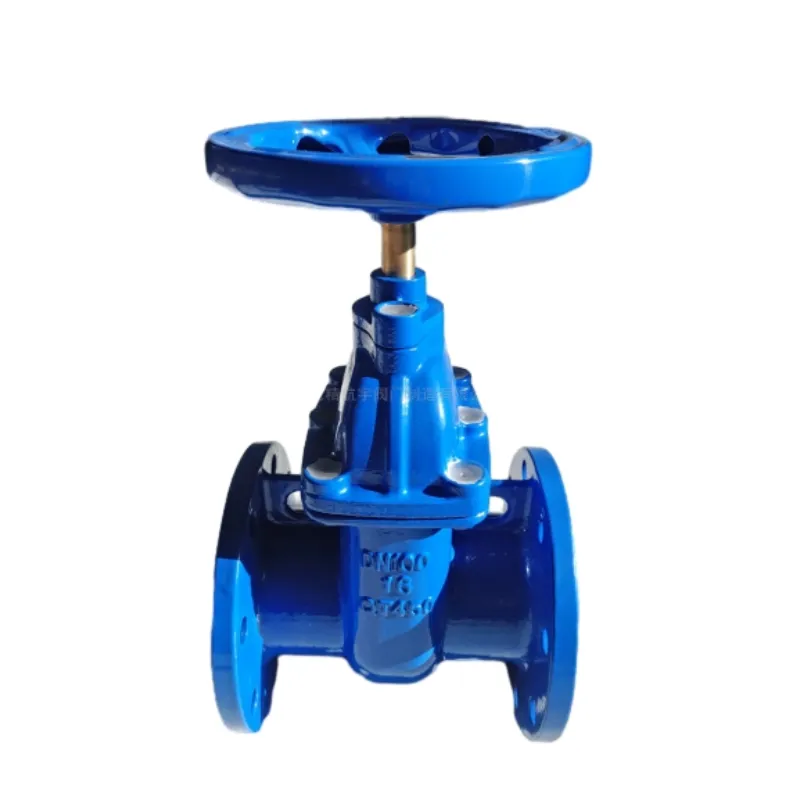
Válvulas de Globo Características y Aplicaciones Las válvulas de globo son un tipo esencial de válvu

Vente de clapets anti - retour
Vente de vannes anti-retour Un choix judicieux pour votre système hydraulique Les vannes anti-retou
 English